The starting point was that of many riads in Morocco: a charming, well-rated property, but one that received more than nine bookings out of ten via Booking and Airbnb. Every night went through a commission, the owner had almost no direct contact with their guests, and a drop in ranking on a platform was enough to cut occupancy. The goal set with our teams was clear: build a direct booking channel that genuinely weighs in revenue.
The Starting Diagnosis
The riad had an old brochure site, pretty but with no booking engine: the visitor looked at the photos then went to book on a platform. No Google Business Profile worthy of the name, an irregular Instagram presence, and availability managed by hand across several calendars, with the constant risk of double booking. In short, all the ingredients of total dependence on the platforms.
Step 1: a Real Booking Website
We first replaced the brochure site with a website featuring a booking engine connected to a central calendar. The traveler can now see available dates, choose their room, pay a deposit, and receive an immediate confirmation, without leaving the site. A direct rate slightly more attractive than on the platforms was highlighted, with a more flexible cancellation policy, two decisive arguments for convincing people to book directly.
Step 2: Synchronize All the Platforms
The website's central calendar was connected to Booking, Airbnb, and Expedia. As soon as a room is booked on one channel, it's blocked everywhere else automatically. The owner manages everything from a single dashboard: rates, availability, bookings, without ever updating five calendars by hand. Overbookings, which generated stress and refunds, disappeared.
Step 3: Make the Riad Visible
A complete Google Business Profile was created and optimized: professional photos, description, hours, replies to reviews, regular posts. The website was worked on to rank for precise local searches, like "riad with terrace" followed by the city name. The Instagram presence was structured with a posting calendar and a visible booking link in every piece of content.
Step 4: Connect All the Channels to Each Other
Each channel was plugged into the website: the Google listing points to the booking page, so do social media, and confirmation emails invite guests to come back directly for a future stay. The traveler finds the same riad, the same message, and the same path to direct booking everywhere. It's this consistency, more than each element in isolation, that made the difference.
The Decisive Role of Photos and Presentation
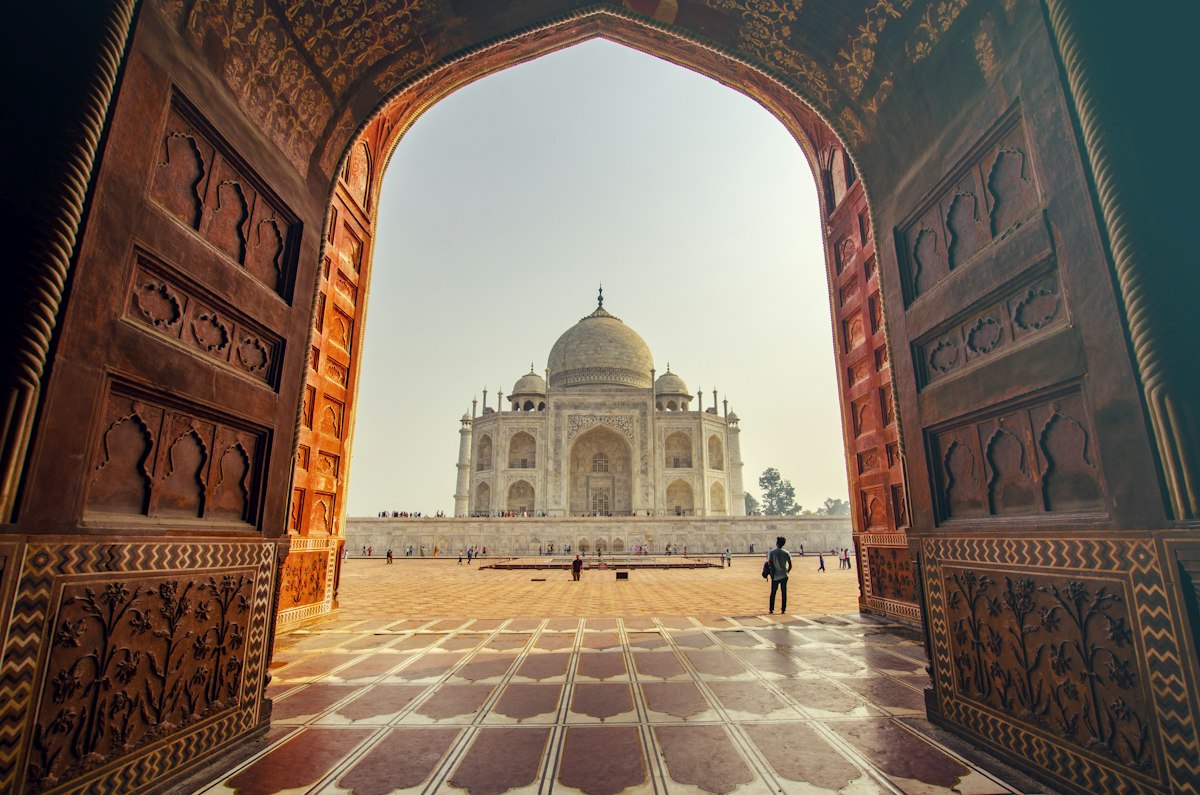
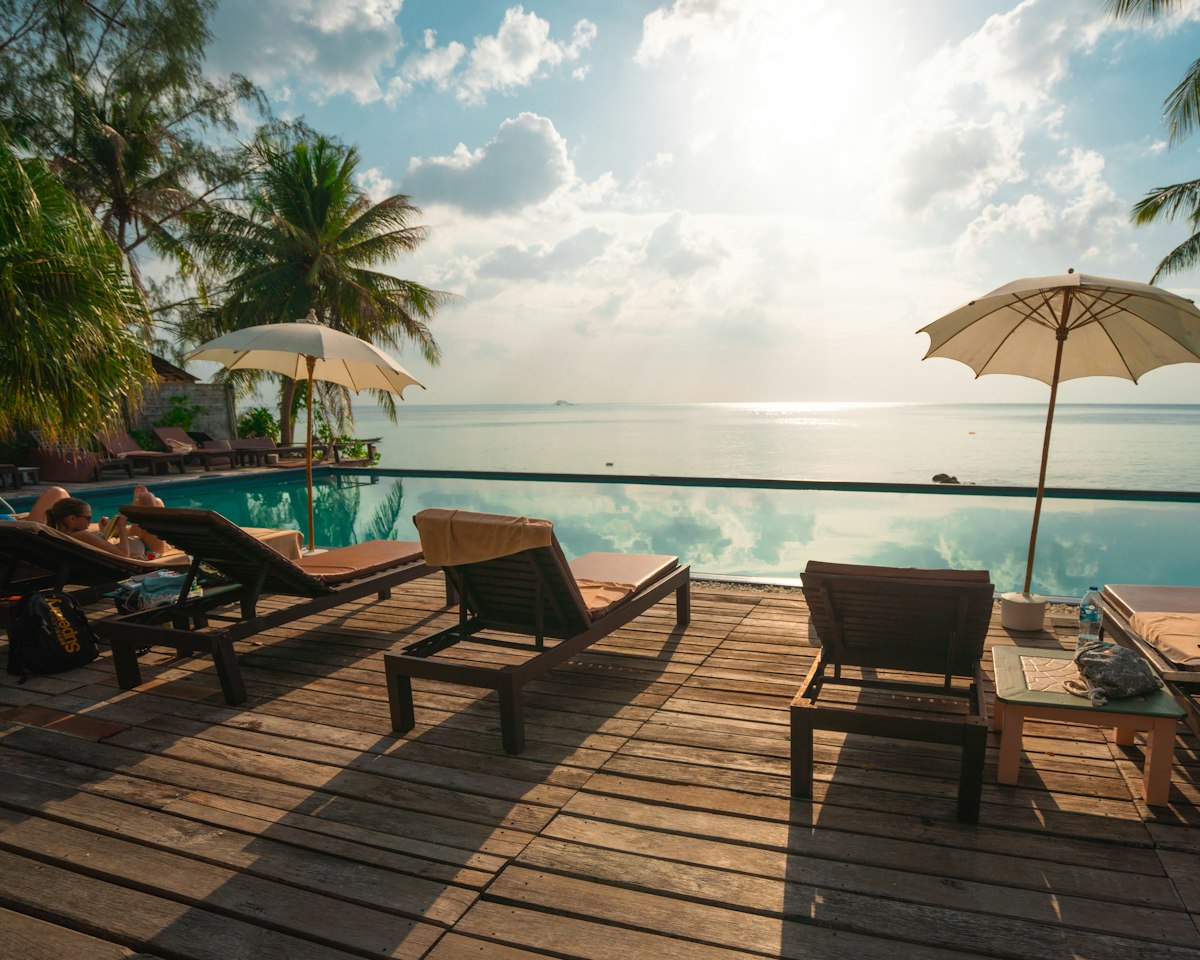
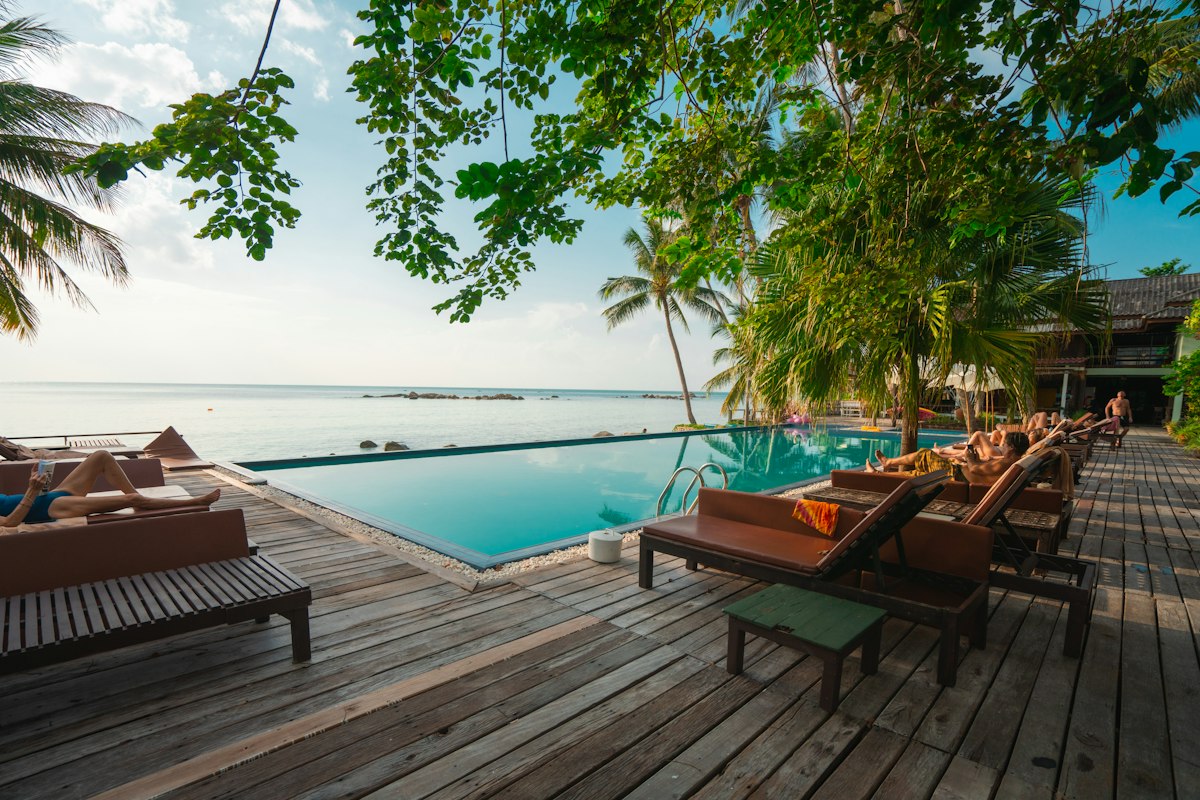
For accommodation, imagery is the first selling point. So we reworked the riad's visual presentation: a consistent series of photos, taken in the right light, showing the patio, the terrace, each room, and the architectural details that give the place its charm. These same visuals were then used everywhere, on the website, on the Google listing, and on Instagram, so the traveler instantly recognizes the riad regardless of the channel they arrive through. A polished presentation also helps justify a higher rate than a comparable but poorly showcased property.
What the Owner Gained Day to Day
Beyond the numbers, the most concrete change for the owner was operational. Before, they juggled several calendars, feared double bookings, and lost time answering the same questions. After, everything goes through a single dashboard: they adjust a rate once and the change propagates across all channels, they see the week's arrivals at a glance, and confirmations go out automatically. This time saving let them focus on hospitality, which pushed up ratings and reviews.
The Metrics Tracked Month After Month
To steer the effort, a few simple metrics were tracked each month: the share of direct bookings in the total, the amount of commission avoided, the number of website visits and their conversion rate into bookings, and the riad's position on its target local searches. This regular tracking made it possible to adjust what wasn't working fast enough, rather than waiting a year to observe an overall result without knowing what produced it.
The Observed Results
In under a year, the share of direct bookings went from a handful of nights per month to a significant proportion of revenue. The commissions paid to platforms fell clearly in relative value, the investment in the website was recouped within a few months, and the owner now has a customer base they can reach out to directly. The riad stays present on the platforms, but it no longer depends on them to survive.
What This Case Shows for Other Riads
This journey is nothing exceptional in its logic: it rests on a website that converts, clean platform synchronization, worked-on local visibility, and consistency across all channels. Most riads in Morocco can aim for comparable progress, provided they treat their online presence as a system, not a series of isolated actions. We detail each building block in our articles on building a riad booking website and on managing all the platforms.
FAQ
How long did this transformation take?
The first building blocks were put in place within a few weeks, and significant results were confirmed over a six-to-twelve-month period.
Did the riad lose bookings on the platforms?
No, overall volume was maintained, but its distribution shifted in favor of direct bookings.
Is this kind of result guaranteed for every riad?
No result is identical from one property to another, but the method applies to the vast majority of riads and guesthouses.
Do you need a big budget to launch such an effort?
The investment depends on the number of rooms and integrations, but it always compares to the amount of commissions saved over the year.
Brandora supports Moroccan riads across the whole effort: booking website, platform synchronization, Google listing, and local visibility. Discover our approach or let's talk about your riad's goals.
Never miss an article
Join our readers and get weekly insights on SEO, web design and digital marketing for the Moroccan market.