A riad website's design catches the eye, but it's its features that turn a visitor into a booking. A beautiful site with no booking engine, no online payment, or that displays poorly on a phone sends the traveler back to a platform, with the commission that comes with it. Here are the functions a riad booking website should actually include.
The Booking Engine With a Real-Time Calendar
This is the central function. The traveler picks their dates, immediately sees the available rooms with their rates, selects, then goes to payment, without ever leaving the site. The calendar must reflect reality in real time, which requires a connection to a central calendar synchronized with the platforms to avoid double bookings. Without a booking engine, the site is just a showcase and the traveler will book elsewhere.
Secure Online Payment
The traveler must be able to pay directly, by deposit or in full depending on the riad's policy. Payment must be secure, accept international cards, and ideally offer several currencies for a foreign clientele. A site that asks to pay later, by transfer or on arrival, loses part of its bookings to a platform that charges in one click.
Flawless Mobile Display
Most travel searches happen on a phone. The site must load fast, display sharp photos without slowing the page, and let people book in a few gestures from a touchscreen. A site designed first for desktop, then simply adapted to mobile, almost always delivers a degraded experience to the actual majority of visitors.
A Multilingual Version
A riad hosts an international clientele. The site should exist at minimum in French and English, often also in Arabic, with content adapted to each language and not an approximate machine translation. Prices, terms, and descriptions must be understandable for each target audience.
Detailed Room Pages
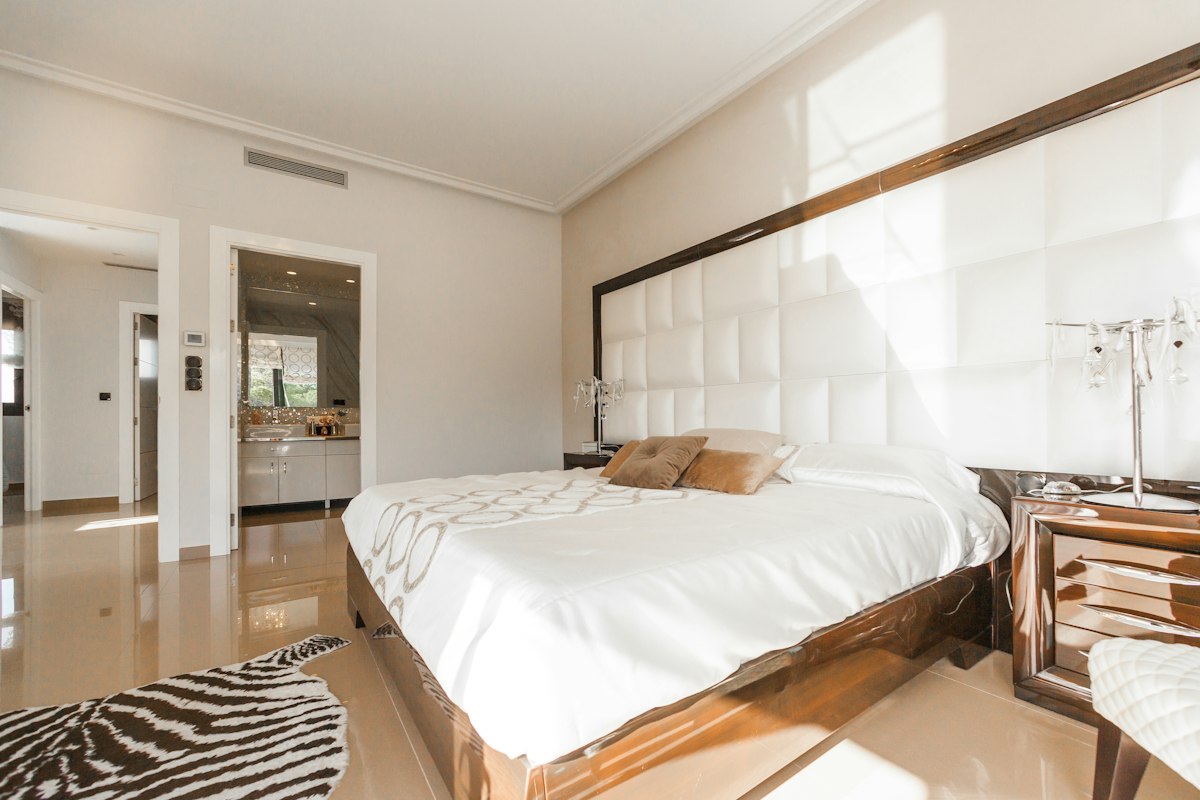
Each room type deserves its own presentation: photos from several angles, size, amenities, capacity, view, rate. The traveler wants to know exactly what they're booking. Vague or incomplete pages generate email questions, delay the decision, and sometimes lose the booking to a more transparent property.
Rate and Offer Management
The site must allow adjusting prices by period, offering sliding rates on long stays, last-minute deals, and a highlighted attractive direct rate. These levers, managed from the dashboard, are what steer the traveler toward direct booking rather than a platform.
Confirmation and Follow-Up Emails
After a booking, the traveler must immediately receive a clear confirmation with all the practical information. An email before arrival, then an email after the stay inviting a direct return for a future trip, turn a one-off customer into a loyal one. These simple automations have a strong impact on the share of recurring direct bookings.
The Connection to the Channel Manager
The site doesn't work in isolation: its calendar must be connected to the channel manager that synchronizes Booking, Airbnb, and Expedia. That's what guarantees a room booked on the site instantly disappears from the platforms, and vice versa. We detail this in our article on the channel manager and availability synchronization.
A Management Dashboard for the Owner
Behind the site travelers see, the owner needs a clear management space: viewing upcoming bookings, the day's arrivals and departures, payments received, adjusting a rate, opening or closing dates, adding a booking taken by phone. This dashboard must stay simple to use day to day, with no technical skill, because it's the tool the riad will handle every day. A site well designed on the visitor side but complicated to manage on the owner side ends up underused.
Client Reviews Displayed on the Site
A hesitant traveler looks for proof. Displaying real reviews on the site, ideally synchronized with Google or the platforms, reassures at the decisive moment. Reviews highlighted on the homepage and on room pages increase trust and conversion. A site with no reviews at all, even with beautiful photos, leaves the traveler in doubt and pushes them to check elsewhere.
Pages That Talk About the Destination
Beyond rooms and booking, a riad site benefits from offering pages about the neighborhood, the city, nearby activities, and practical arrival tips. These pages attract travelers in the planning phase, strengthen local SEO, and position the riad as a host who knows its area. They turn a simple booking site into a useful resource that makes travelers want to choose this property over another.
FAQ
Can a brochure site with no booking engine be enough for a small riad?
It lets you exist online, but it doesn't bring direct bookings: the traveler looks then goes to book on a platform.
Should you offer full payment or just a deposit?
Both are possible depending on the riad's policy; a deposit lowers the barrier to booking while securing the stay.
Should the site handle multiple currencies?
For an international clientele, displaying multiple currencies reassures and raises the conversion rate of foreign travelers.
Can you add a booking engine to an existing site?
Often yes, provided the current site is technically compatible; otherwise a rebuild is sometimes necessary.
Brandora builds complete riad booking websites, from the booking engine to platform synchronization. Discover our approach or let's talk about your riad's needs.
Never miss an article
Join our readers and get weekly insights on SEO, web design and digital marketing for the Moroccan market.