
Many entrepreneurs view their site's launch as the end of the project, a final point after weeks of work. In reality, this moment rather marks the start of a new phase, often underestimated, where maintenance, adjustments and regular updates determine whether the site will keep working well and faithfully representing the business over time.
Technical updates, a silent necessity
A site built on a content management system needs regular updates to its technical components, for reasons of security as much as compatibility. A site left without updates for months progressively becomes vulnerable to known security flaws, a situation that can lead to a silent hack, sometimes invisible for a long time to the site owner themselves.
Content that ages faster than one might imagine
Prices that change, a new offer launched, a team that evolves: a site's content needs regular updating to stay true to the business's actual reality. A site frozen since launch, with outdated information, sends a negative signal to a visitor legitimately wondering whether the business itself is still active and serious about its activity.
Visit statistics, a mine of information often ignored
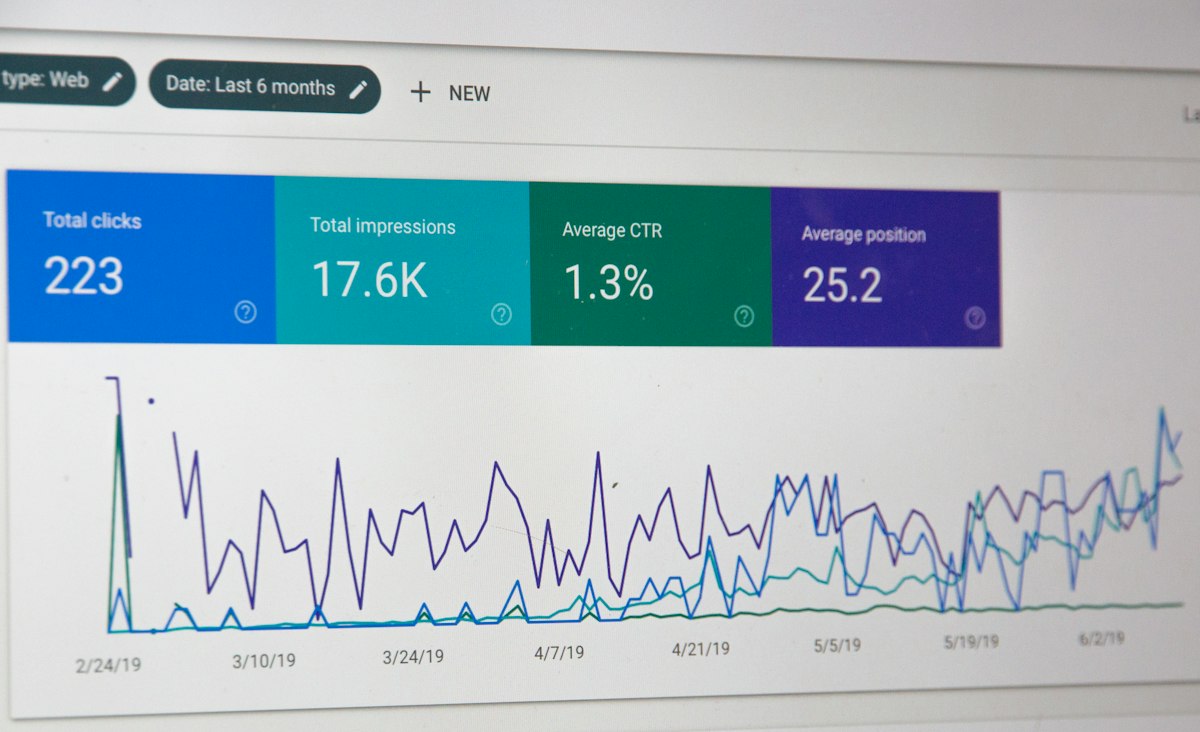
A site connected to an analytics tool like Google Analytics reveals valuable information about visitors' actual behavior: which pages they view, where they abandon their journey, what devices they use. Ignoring this data amounts to running a business blindly, when it actually allows pinpointing exactly what works and what deserves priority improvement.
SEO, ongoing work rather than a one-time adjustment
Many entrepreneurs think SEO gets settled once and for all at launch. In reality, Google constantly re-evaluates a site's relevance against competition that is itself in constant motion. We cover this mechanism in our article on how Google SEO ranking works. A site that never adds new content after launch progressively loses ground to more active competitors.
Backups, an insurance you only notice when there's a problem
A regular, automated site backup protects against data loss in case of hacking, human error or a technical failure on the hosting side. This precaution, invisible day to day, suddenly becomes precious the day a problem arises, allowing the site to be restored in minutes rather than rebuilt entirely from scratch under time pressure.
Who should handle this maintenance day to day?
Some businesses prefer managing simple content updates themselves, while others delegate all technical maintenance to a trusted provider through a monthly follow-up contract. The choice mostly depends on time and skills available in-house, but the key is clarifying this responsibility from the site's creation, rather than discovering it by default the day a problem arises with nobody handling it.
Ongoing communication with the provider, an element often overlooked
Even when technical maintenance is delegated to an outside provider, it remains important to maintain a clear, regular communication channel with them, rather than settling for a silent contract only mentioned when a problem occurs. A simple periodic report, even just every few months, on what's been updated and what traffic trends have been observed, keeps the site owner genuinely informed about their digital asset's condition, rather than feeling completely disconnected from it once the initial creation phase ends.
Traffic that shifts, a signal to watch without panicking
It's normal for a site's traffic to fluctuate over time, under the effect of seasonality, Google algorithm changes, or simply market evolution. What matters isn't an isolated one-off dip, but a trend confirmed over several consecutive months: that's the signal that should trigger deeper analysis, rather than an impulsive reaction after just one bad week of statistics.
Design ages too, even without any technical error
A technically flawless site can still look visually dated after a few years, as design trends evolve regularly, just like visitor expectations shaped by more recent standards seen elsewhere online. A partial visual refresh every few years, without starting from scratch, keeps a site current without losing the SEO history patiently built since its original launch.
What stays true regardless of the formula chosen
A site well thought out from its creation greatly eases its future maintenance. We cover the basics of a solid project in our complete guide to website creation in Morocco, and the overall budget to expect, maintenance included, in our article on the cost of website creation in Morocco in 2026.
FAQ
Does a site really need maintenance after launch?
Yes, without regular maintenance a site progressively becomes technically vulnerable and its displayed content grows outdated.
How often should a site's content be updated?
It depends on the activity, but a review at least every quarter helps avoid important information becoming obsolete.
What happens if a site is never technically updated?
It becomes vulnerable to known security flaws, which can lead to a hack sometimes invisible for a long time.
Is a maintenance contract needed right from the site's creation?
Not mandatory, but it clarifies who is responsible for security and updates, avoiding unpleasant surprises later.
Has your site been live for a while and you're wondering if it's still up to date? Discover our approach to website creation or let's talk about its follow-up.
Never miss an article
Join our readers and get weekly insights on SEO, web design and digital marketing for the Moroccan market.