Behind creating a website lies technical vocabulary that often discourages entrepreneurs less familiar with computing: domain name, hosting, DNS, SSL certificate. Yet understanding these basics, even without becoming a technical expert, allows for far better decisions and avoids pitfalls that end up costly down the line.
The domain name, your business's unique address on the internet
The domain name is the address visitors type or click to reach a site, for example brandora.ma. This name belongs to whoever registered and paid for it annually with a registrar, never to the agency that built the site. A frequent trap is letting a provider register the domain name under their own name: in case of a later disagreement, the business can find itself stripped of its own domain name overnight.
Hosting, the "land" on which the site is built
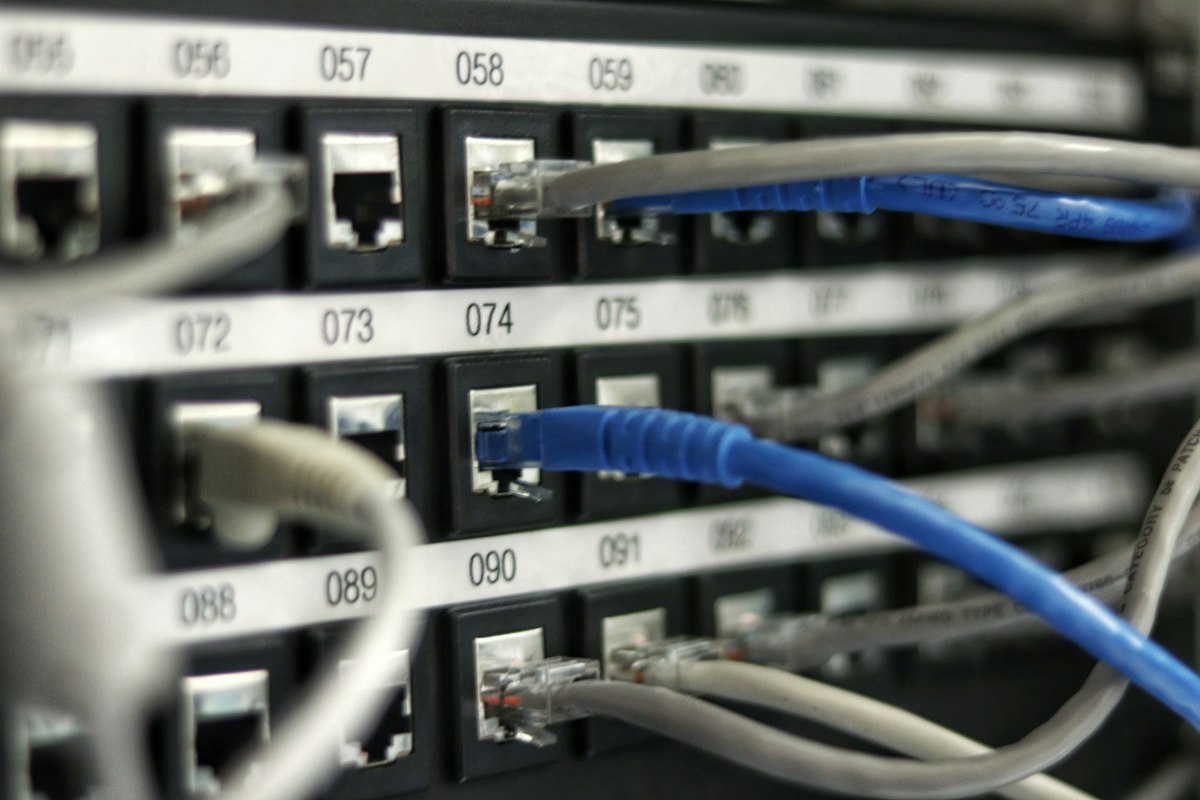
Web hosting is the computing space where a site's files and data are stored, on servers permanently accessible from the internet. Poor-quality hosting translates directly into a slow site, sometimes inaccessible during traffic spikes, which weighs on both visitor experience and SEO, as Google penalizes unreliable or overly slow-loading sites.
.ma, an option often overlooked by Moroccan entrepreneurs
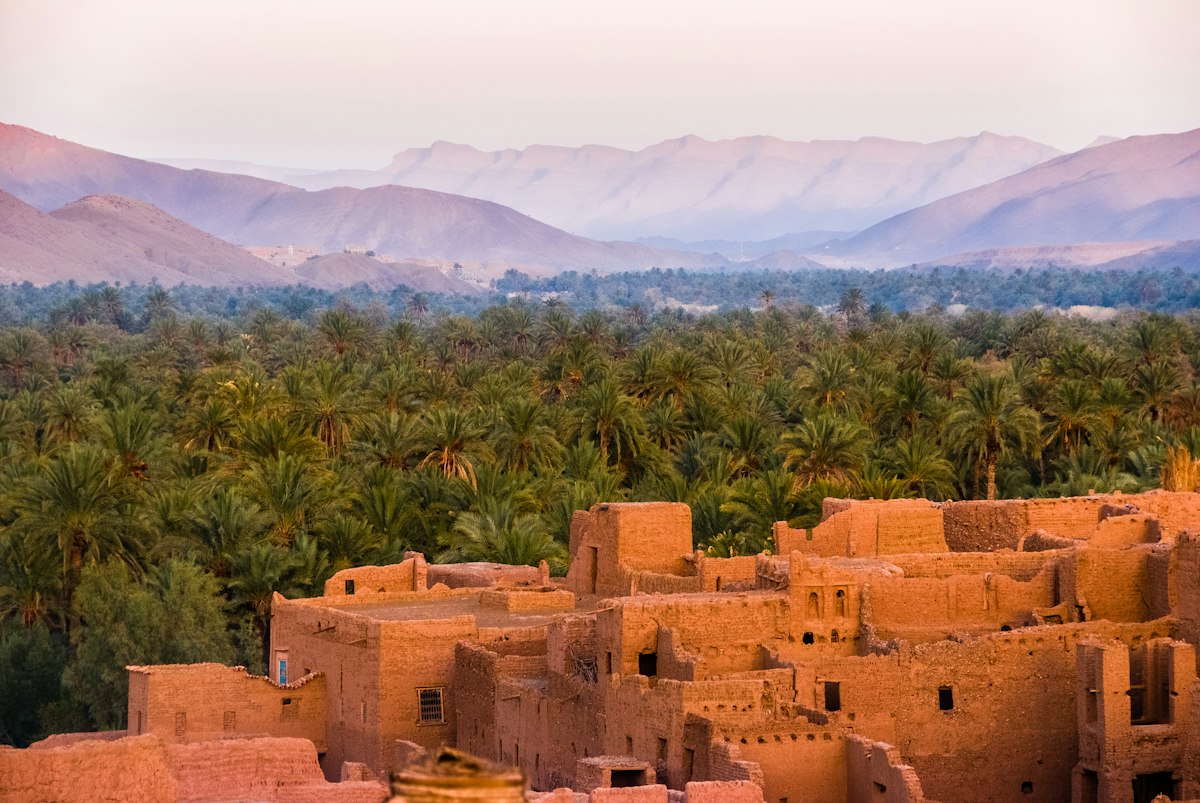
Many Moroccan businesses reflexively choose a .com extension, without considering .ma, which is often more relevant for an activity clearly aimed at the local market. A .ma domain strengthens trust signals with Moroccan customers and can also play a positive role in local SEO, as Google naturally associates this extension with Moroccan geographic relevance.
The SSL certificate, a technical detail now visible to everyone
The small padlock shown in a browser's address bar signals the presence of an SSL certificate, which encrypts exchanges between the visitor and the site. Its absence now triggers an explicit security warning in most browsers, which instantly scares off a visitor, even on an otherwise perfectly legitimate and serious site in terms of content.
Who should stay the owner of these technical elements?
The simplest principle to remember: the domain name and hosting access should always remain registered under the business's own name, even when an agency handles the project technically day to day. This precaution avoids risky dependence on a single provider, and guarantees the business keeps full control over its digital asset, regardless of how its relationship with that provider evolves in the future.
Annual renewal, a deadline easy to forget
Domain names and hosting generally renew each year, and forgetting this renewal can make a site disappear overnight, sometimes in favor of a third party who buys up the freed domain name. A simple calendar reminder, or clearly delegating this responsibility to a trusted provider, avoids this mishap, which is more common than one might imagine among entrepreneurs less familiar with these technical aspects.
Local or international hosting: a choice that affects real-world speed
The physical distance between the server hosting a site and the visitor viewing it directly affects perceived loading speed. Hosting located far from Morocco can noticeably slow down a Moroccan visitor's experience, even with a decent connection, whereas hosting closer geographically or running through a well-configured content delivery network reduces this delay and improves both user experience and local SEO.
Changing providers should never mean starting from scratch
A business that genuinely owns its domain name and hosting access can switch technical providers without losing its site, its SEO history, or the address already known to its customers. Conversely, a business that let a provider manage everything under their own name sometimes finds itself stuck, or worse, forced to rebuild an entire project from scratch for lack of access to its own essential technical elements.
What stays true regardless of the type of site
These technical elements never replace the fundamentals of a good site: useful content, careful design, clear structure. We cover these basics in our complete guide to website creation in Morocco, and the overall budget to expect in our article on the cost of website creation in Morocco in 2026, which generally includes these technical costs within a transparent overall offer.
FAQ
Who should own a business's domain name?
Always the business itself, never the agency or provider, even if the latter handles the technical registration day to day.
Should I choose a .ma or .com domain?
.ma often strengthens local trust and SEO for an activity aimed at the Moroccan market, without ruling out having both.
What happens if hosting isn't renewed on time?
The site can become inaccessible, and in some cases the domain name can even be bought by a third party after a grace period.
Is an SSL certificate mandatory for a professional site?
In practice yes, its absence triggers security warnings that scare off the vast majority of visitors.
Want a site you keep full control over, with no hidden technical dependency? Discover our approach to website creation or let's talk about your project.
Never miss an article
Join our readers and get weekly insights on SEO, web design and digital marketing for the Moroccan market.